


_ANZ-Group-shot_v2.png?w=100&v=f3a4afac-70ac-4758-8474-ff17fe163b1c&itok=Z_Qi2FlQ)


.png?w=100&v=76611618-74f9-4150-85bd-f3f88e49eece&itok=5ehAJg_Q)


.png?w=100&v=5053a26b-c336-46d9-b44e-ab91738f07c9&itok=efvsqCNL)


.png?w=100&v=d5f9955a-145e-481e-8081-5ddf4d74c7cc&itok=hKuNtBOw)


.png?w=100&v=2695a42f-b099-4e31-bdbd-c1b445ff88c0&itok=Md9-7E8t)


%20(2).png?w=100&v=a9b7928b-cece-4e51-b913-62ae316129a9&itok=fEHREjki)
_ANZ-Group-shot.png?w=100&v=72a4a24c-7670-47f7-a68e-edeaafa41c8d&itok=k25pq8iJ)
_ANZ-Group-shots.png?w=100&v=4d5e1cd2-60a9-45da-bcfb-1b8500ccaea9&itok=v6A67Pxg)


Drill into timber, soft metal and hard materials including brick and concrete with the RYOBI 18V ONE+ Hammer Drill.


There’s something deeply satisfying about rescuing a tired piece of furniture and giving it a new lease on life. Maybe it’s the old chair found at a recycling centre, a bedside table from an op shop or garage sale, or the old stool hiding in the garage. These small furniture pieces are often full of character and full of potential.
Upcycling isn’t about perfection or showroom finishes. It’s about creativity, practicality and learning skills along the way. Small furniture projects are ideal for building confidence, experimenting with techniques and making meaningful improvements without needing a huge workshop or specialist equipment. With the right tools, even modest projects can deliver professional‑looking results. Who knows, they might lead to something bigger.
This is where the RYOBI 18V ONE+ system really shines. Designed with DIYers in mind, the platform offers cordless freedom and tool compatibility that makes scaling up from small projects feel natural rather than intimidating. For furniture upcycling, a tight core of tools can take you from rough rescue to refined result – without clutter or complexity.
In this article, we’ll explore how to upcycle small furniture pieces using four essential RYOBI 18V ONE+ tools:
Together, they cover cutting, fastening, finishing and upholstery‑style detailing – the foundations of successful furniture transformations.
Smaller furniture pieces are ideal for upcycling because they’re forgiving, flexible and easy to manage in limited space. Items like stools, bedside tables, coffee tables, ottomans, mirrors, small cabinets and shelves allow you to experiment without committing to major structural changes – or a lot of money.
Look past surface scratches, faded finishes and dated colours. What matters most is structural soundness. If the frame is solid and joints are intact (or at least repairable), you have a strong base to work from.
Starting small also means fewer materials, less time pressure and more opportunities to refine your technique. Each project builds familiarity with your tools, making the next one faster, neater and more ambitious.
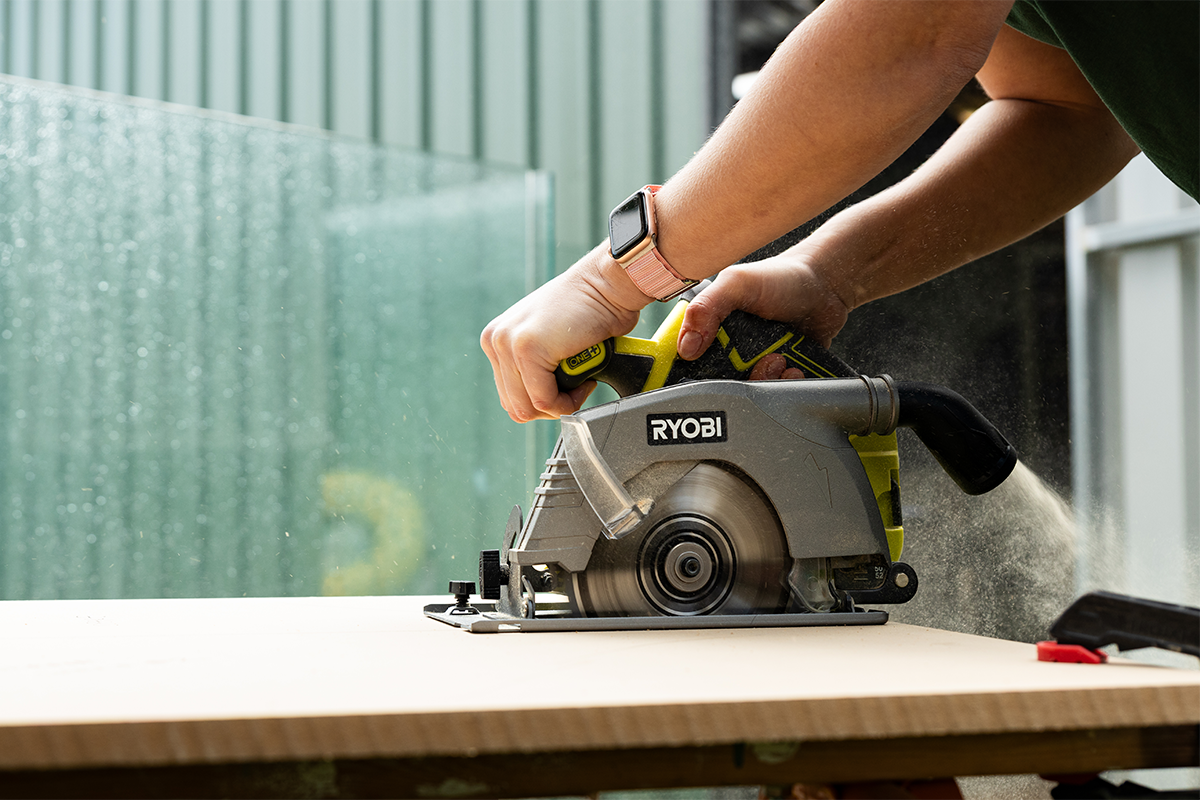
From rough to refined
The circular saw is often seen as a ‘big project’ tool, but in furniture upcycling it plays a surprisingly refined role. Whether you’re shortening a table leg, cutting down an old shelf, or creating new top panels from reclaimed timber, a 165mm circular saw offers the depth of cut, control and accuracy small furniture projects demand.
Key features and benefits
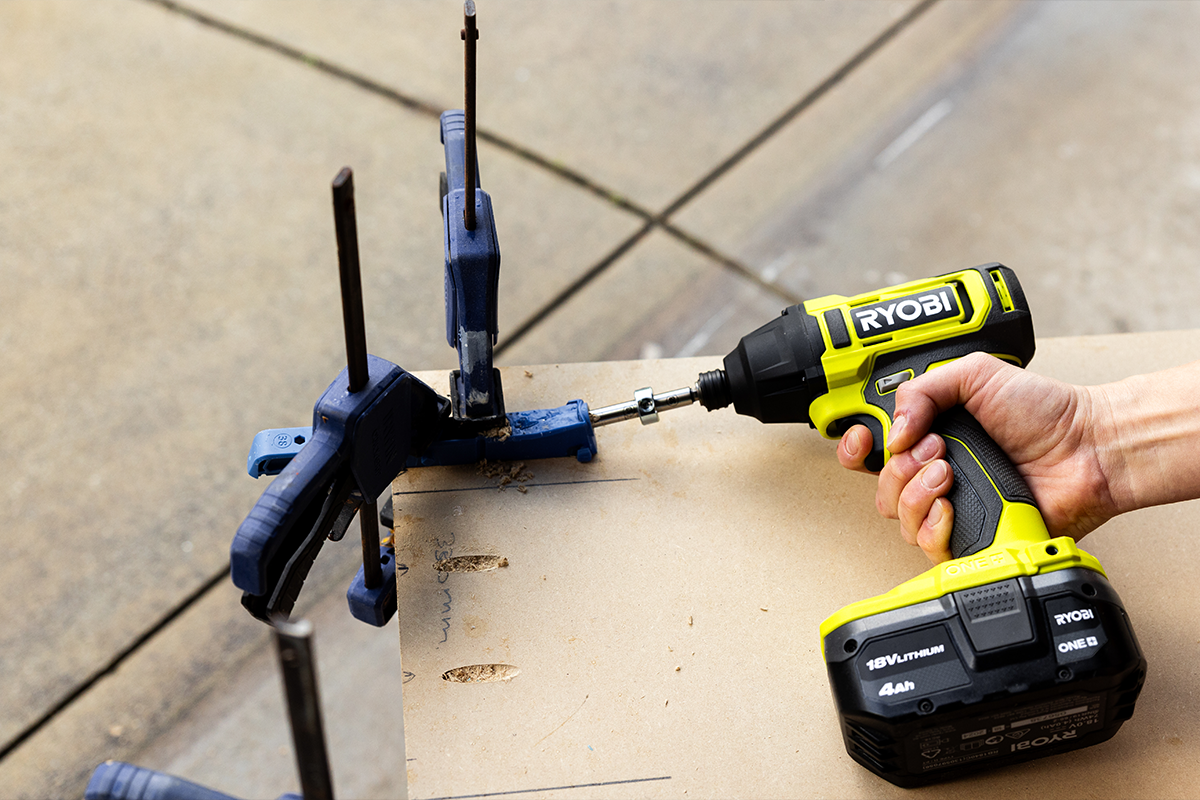
Fastening with confidence
If there’s one tool that quietly changes how furniture projects feel, it’s the impact driver. Upcycling often involves removing very old fixings, reinforcing joints, adding braces or rebuilding sections that have loosened over time. An impact driver makes these jobs faster and more controlled than a traditional drill driver.
An impact driver delivers rotational force in short, powerful bursts. This reduces cam‑outs (screw head stripping), limits wrist strain and helps drive screws cleanly – especially into older hardwoods.
Key features and benefits
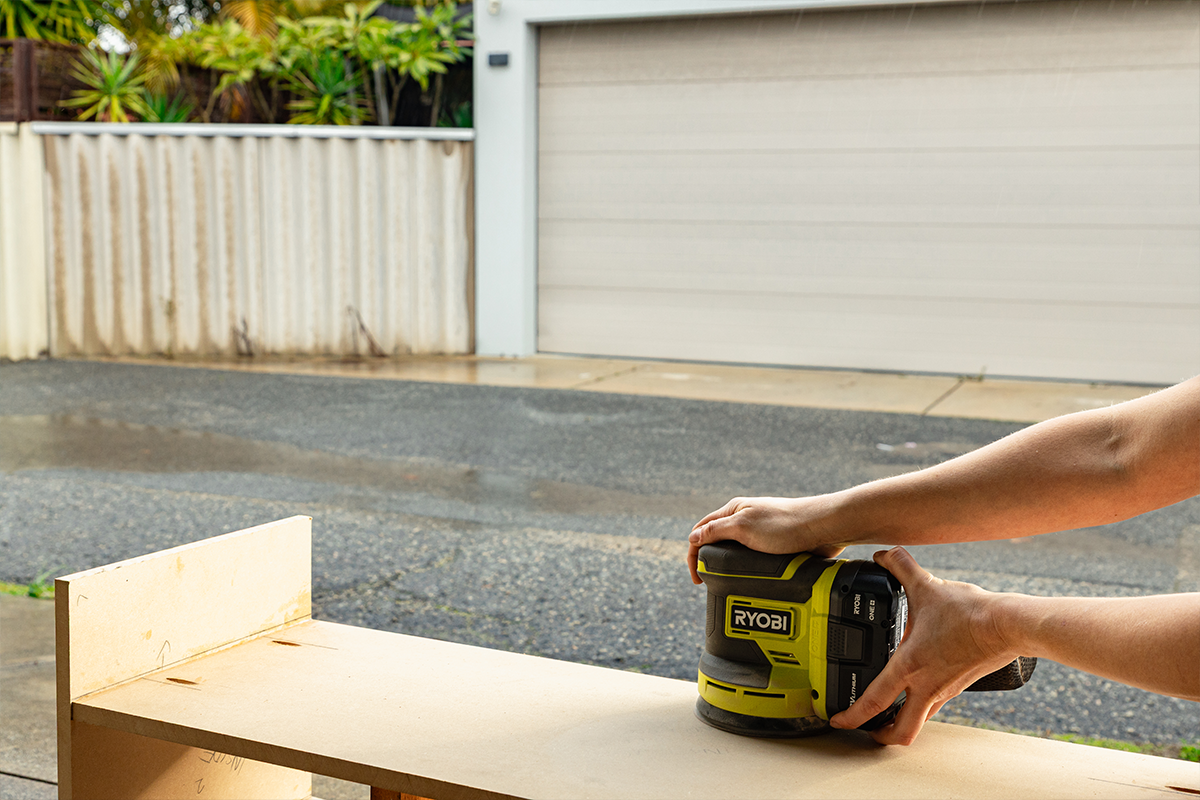
Where the transformation truly begins
Most professionals will attest that the finish depends on the preparation. With that in mind, never underestimate how important sanding is – it’s the step that most dramatically affects the final look and feel of an upcycled piece. Stripping old finishes, smoothing rough timber and preparing surfaces for paint or stain all rely on consistent, controlled sanding.
A random orbital sander excels at this because it moves in a dual‑motion pattern that reduces visible swirl marks while removing material efficiently. For furniture, this balance between speed and finesse is critical.
Key features and benefits
.png?v=7e2016ac-6fc2-44c3-8f78-e0607a7dc654&itok=2TJ_SOKt)
Detail work that lifts the entire piece
Having the right tools for the job is often the secret to success, and a crown stapler is one of those tools that plays a powerful role in finishing and detailing. From attaching backing boards and securing fabric to fixing trims and lightweight panels, it enables fast, neat fastening with minimal visual impact and with little expertise required.
This is especially valuable when refurbishing stools, ottomans, benches or pieces that include fabric, cane or flexible materials.
Key features and benefits
A small furniture upcycling project often follows a simple rhythm:
This approach keeps projects manageable and avoids the overwhelm that can come from trying to do everything at once.
Upcycling small furniture pieces is often where confidence begins. It’s where mistakes feel manageable, creativity feels encouraged and skills build naturally with every project completed. Using RYOBI 18V ONE+ tools makes that progression even more achievable. With a shared battery system and tools designed to feel intuitive rather than intimidating, each project becomes less about learning the tool and more about refining your ideas.
Feeling creative but lacking ideas? We’ve got you covered! Watch our videos and follow the step-by-step instructions to unleash your creativity.
.png?w=100&v=6c04e2a3-04b9-449c-97a0-86f8df82dcb1&itok=D7d8Umfz)

.png?w=100&v=07272864-2df4-45f0-aa93-568aa3920466&itok=Lj7SSICT)

.png?w=100&v=4297d0f7-8d6a-4632-bff2-7c593a97d3cb&itok=fnsLcLhG)


.png?w=100&v=6fe76245-ac4a-4aa3-986d-04347f143028&itok=dFif4A99)


_Group%20shots.png?crop=yes&k=c&w=125&h=125)


.png?crop=yes&k=c&w=690&h=690&v=7e2016ac-6fc2-44c3-8f78-e0607a7dc654&itok=muU0_eKy)


